Q&A: Michigan Ross Faculty and Staff Support Local Communities and Southeast Michigan
Supporting and giving back to our local communities and the Southeast Michigan region is an important focus at Michigan Ross, and it’s an integral part of the school’s mission to build a better world through business. We asked staff and faculty to share why helping our local communities matters to them, and some of the ways they’ve worked with colleagues to make a difference.
Lisa Pappas, director of communications and creative strategy, Office of Advancement
Why do you think it is important for Ross and U-M to support our local communities and Southeast Michigan?
It’s vital for Michigan Ross and U-M to support Southeast Michigan because, as a local institution, we have a civic duty to strengthen and invest in our home community.
Civic duty is about more than just voting and paying our taxes; it’s about finding all the different ways we can show up and make a positive impact, whether by volunteering for a nonprofit organization, donating funds to a local cause, helping a neighbor, or even doing little things like waving a stranger safely through traffic on a busy street. There’s no single way to practice civic duty; what matters is taking initiative to support our community, one action at a time.
What activities have you participated in with your colleagues to support the local community and advance the Ross mission?
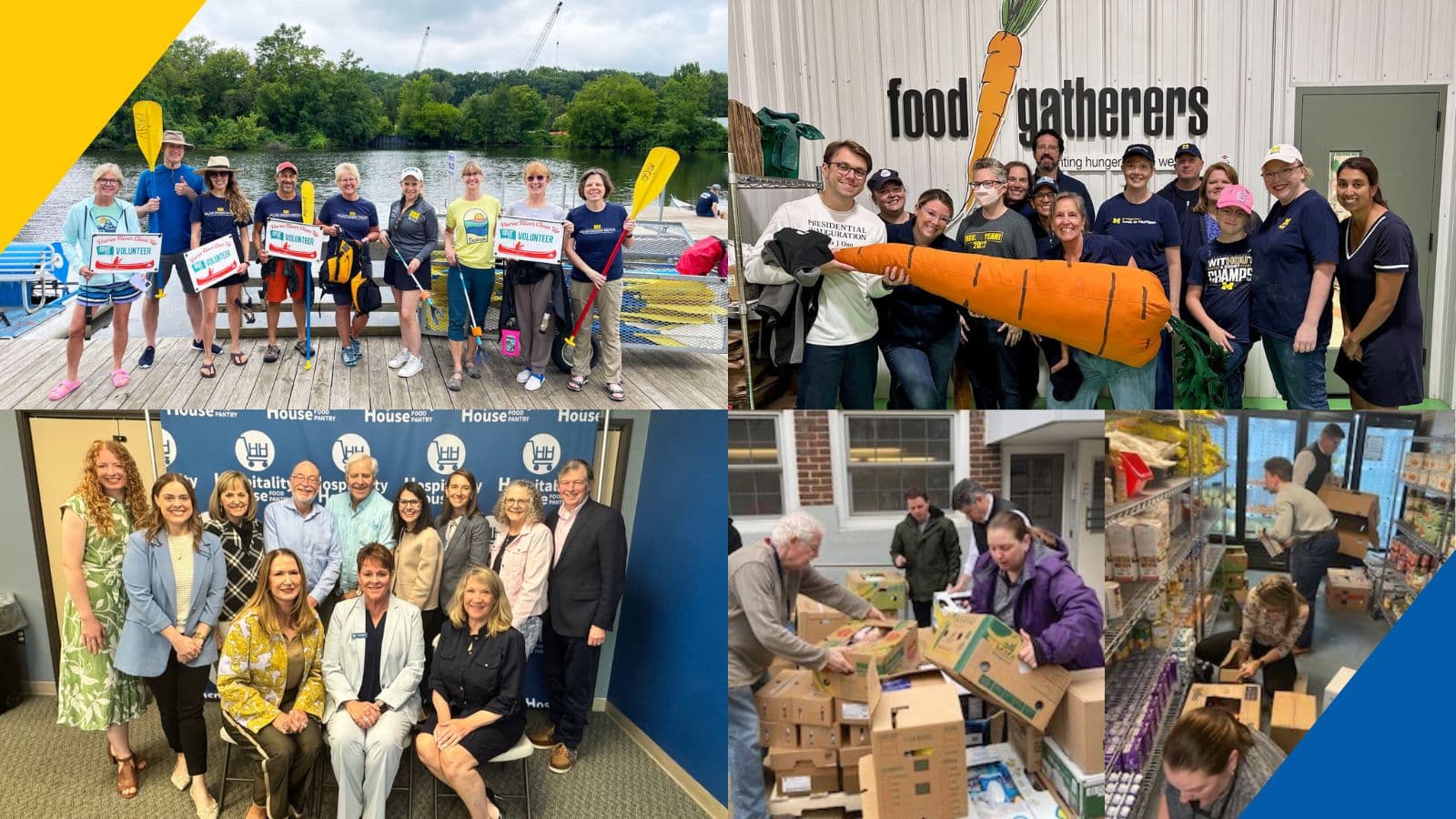
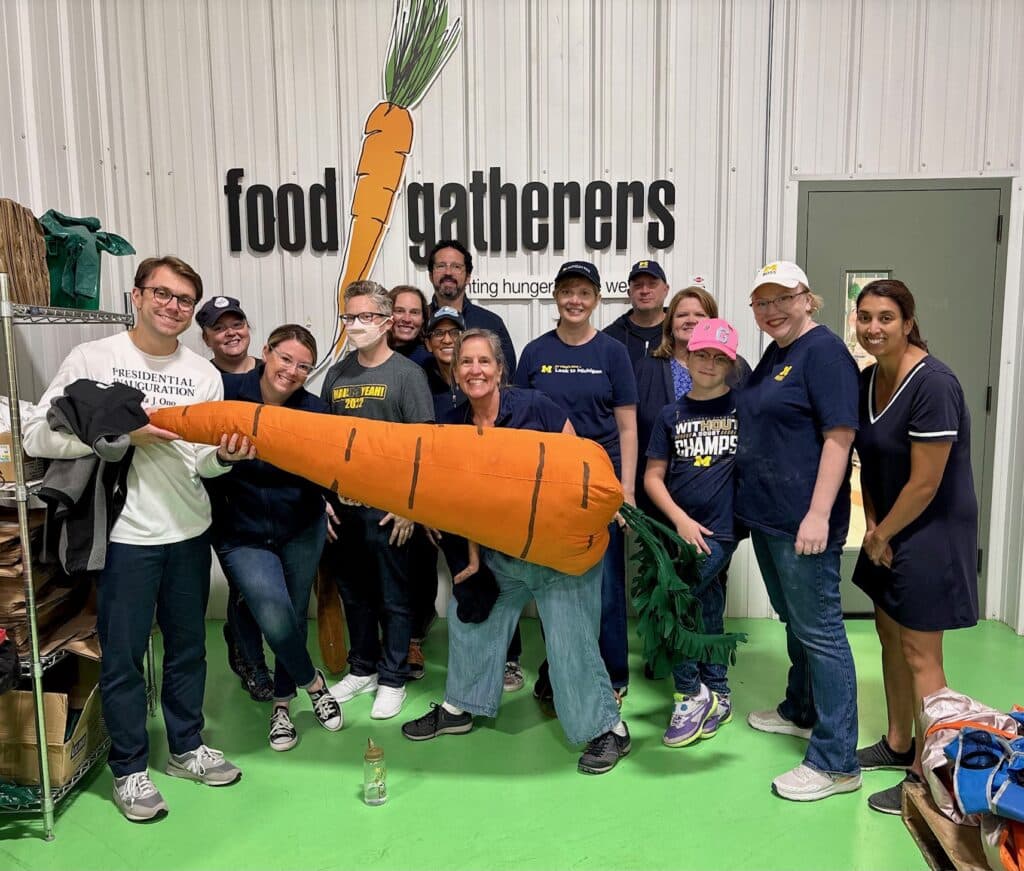
On Aug. 15, staff from the Michigan Ross Office of Advancement volunteered at Food Gatherers in Ann Arbor, the primary food bank and food rescue program serving Washtenaw County. The organization works closely with local schools, universities, and healthcare providers to provide free and low-cost food and food deliveries.
The Advancement team sorted through boxes of donated fruits and vegetables, discarding anything that wasn’t fresh enough for Food Gatherers to distribute to community members. In only two hours, the team procured nearly 3,000 pounds of fresh produce. The staff members at Food Gatherers said that the team worked so fast, they had trouble keeping up with the demand for produce boxes.
I’m delighted that my department arranged for this opportunity to volunteer at the local Food Gatherers. I learned a great deal about how the organization operates and the community’s needs, and it felt rewarding to give back to the community as a team.
Kemrahsi Lundy, human resources manager, Aramark
Why do you think it is important for Ross and U-M to support our local communities and Southeast Michigan?
I think it’s important for Ross and U-M to support our local communities and Southeast Michigan because the university isn’t just a place of learning — it’s a neighbor and a partner. By supporting our local communities, we strengthen important connections between the university and local businesses and individuals and help make Southeast Michigan a better place for everyone.
What activities have you participated in with your colleagues to support the local community and advance the Ross mission?
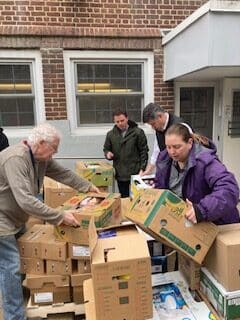
To support the local community and advance the Ross mission, my Aramark at Ross colleagues and I recently volunteered at the Maize & Blue Cupboard, a U-M food pantry offering free food and essentials to the U-M community. We were grateful to spend time unloading food deliveries and stocking shelves.
To continue supporting their mission, we have introduced a round-up initiative at the Seigle Café checkout. Customers can choose to round up their purchase to the nearest dollar, with the proceeds going directly to support the Maize & Blue Cupboard.
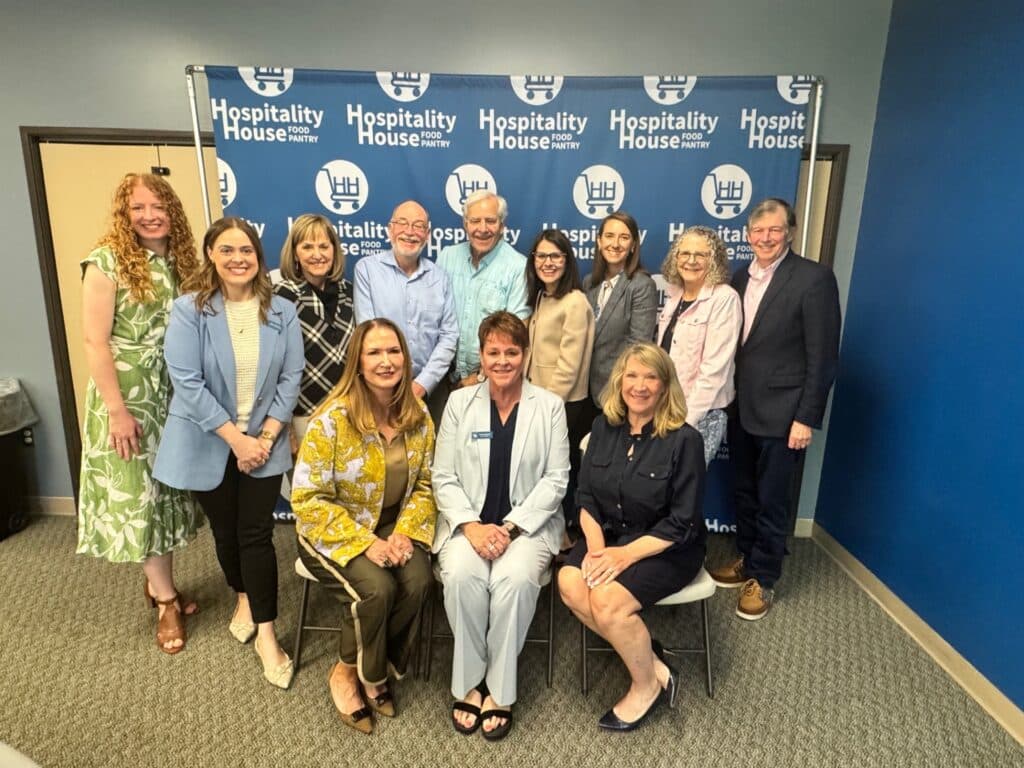
Jerry Davis, professor of management and organizations, faculty director of Business+Impact
Why do you think it is important for Ross and U-M to support our local communities and Southeast Michigan?
Ross is filled with smart people, good energy, and insightful ideas, and a central part of our mission is to have a positive impact on our community. That’s why it’s so important for Ross and U-M to support Southeast Michigan. We’re uniquely positioned to help those around us build the best lives they can. By bringing our talents and resources to local initiatives, we not only strengthen the community but also reinforce our sense of connection and purpose here.
What activities have you participated in with your colleagues to support the local community and advance the Ross mission?
For several years, I have been a part of the Tocqueville Society, a group of donors supporting the United Way for Southeastern Michigan. As part of this group, I collaborate with other philanthropists, including some Ross colleagues, such as M.S. Krishnan, to share ideas and find new solutions to address community needs that align with the United Way’s mission.
I also work to encourage U-M faculty and staff to donate to the United Way. The need has never been greater than it is now, and I do my best to encourage the Ross community to be the most generous unit on campus.
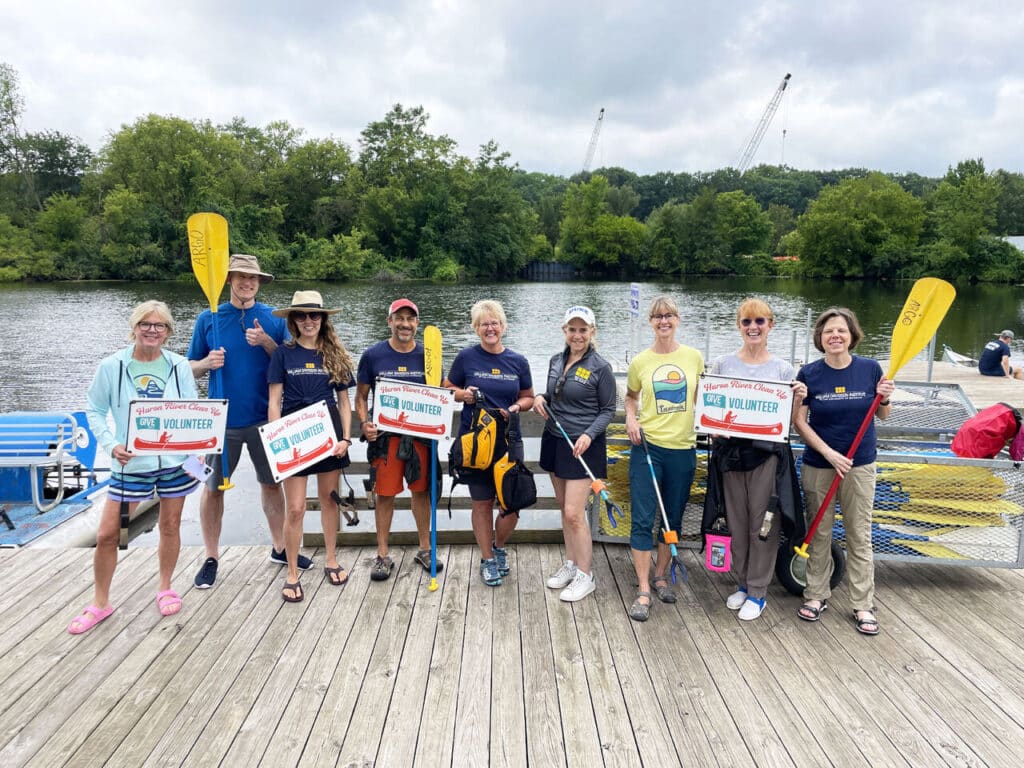
The William Davidson Institute Team
Why do you think it is important for Ross and U-M to support our local communities and Southeast Michigan?
Supporting our local communities and Southeast Michigan is really important for Ross and U-M because the health of our neighborhoods and environment directly impacts our own quality of life. Take the Huron River watershed, for example. We have a responsibility to help keep the waterway clean, as it is a source of recreation and drinking water for the Ann Arbor community. Additionally, a clean watershed supports local biodiversity — plants, fish, birds, and other wildlife — which depend on unpolluted water for survival. Since the Huron River flows into Lake Erie, how we care for it also impacts communities and wildlife beyond our region.
What activities have you participated in with your colleagues to support the local community and advance the Ross mission?
While WDI focuses on supporting organizations in low- and middle-income countries, our team also looks for ways to help out at home. In 2023 and 2024, WDI collaborated with Ann Arbor-based GIVE 365 to clean up the Huron River. With canoes, paddles, and trash grabbers, the WDI crew gathered more than 100 pounds of trash from the river during two outings. We appreciated the opportunity to lend a hand in keeping the Huron Valley watershed just a little bit cleaner.