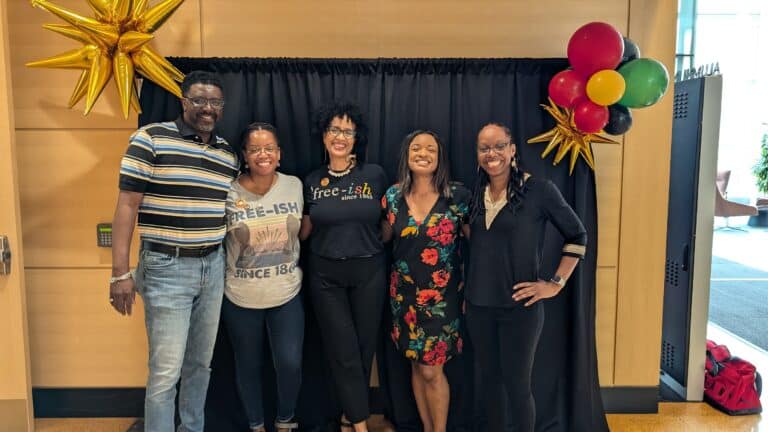
Faculty Research Accomplishments
The 2025–26 academic year has been highly productive for Michigan Ross faculty. Below are highlights of their impactful research and related media coverage.
Recent Publications

Justin Berg recently published “The Artificial Intelligence Disclosure Penalty: Humans ‘Persistently Devalue AI-Generated Creative Writing’” in the Journal of Experimental Psychology.
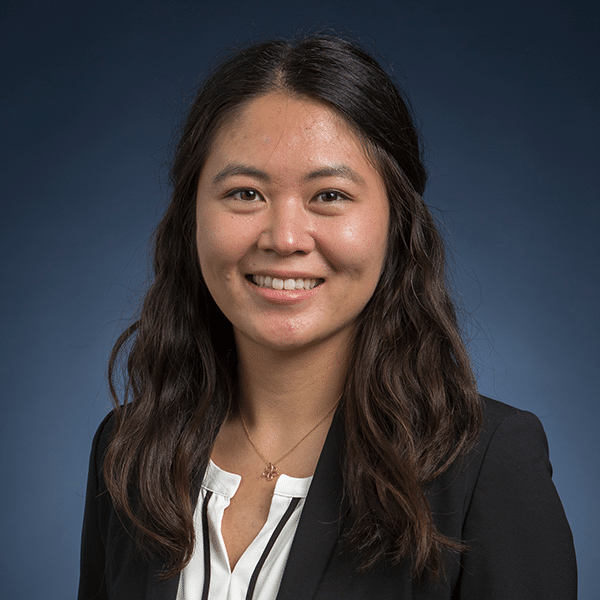
Jessica Fong published “The Effect of Downvotes on Content Creation: Evidence from Reddit” in the Journal of Marketing Research, along with two other recent publications.
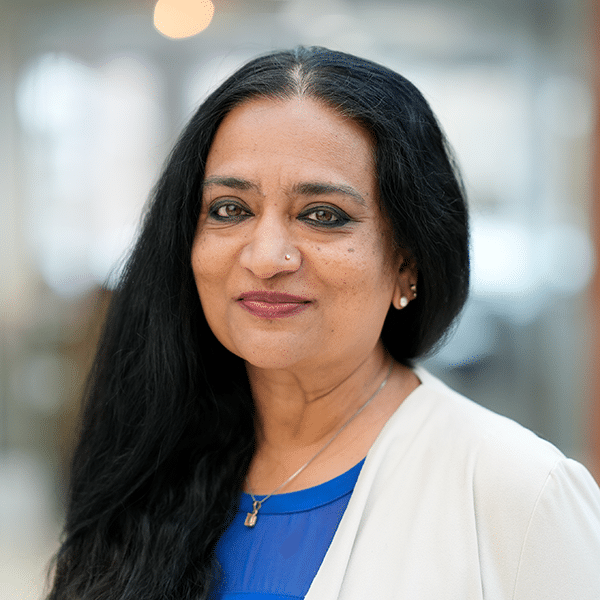
Aparna Joshi published “An Integrative Conceptual Review of Gender Bias in Leader Evaluations: An Observer-oriented Motive-driven Process Model” in the Journal of Applied Psychology.
Aradhna Krishna published “Vocal Similarity, Trust, and Persuasion in Consumer-Persuader Interactions” in the Journal of Marketing Research, as well as another publication in the Journal of Consumer Research.
Jun Li recently published a paper titled “Educational disparities in STEM during COVID-induced distance learning and a potential strategy to address them” in Nature Communications.
Puneet Manchanda recently published “Bargaining and Network Effects in Two-Sided Platforms: Evidence From Online Healthcare” in Marketing Science, along with two other publications.

Scott Page recently wrote an article, “AI Is Changing the Physics of Collective Intelligence — How Do We Respond?” which was published by Brookings. Page’s book, The Difference: How the Power of Diversity Creates Better Groups, Firms, Schools, and Societies, has been included in the Princeton Classics Collection by Princeton University Press.

Jeffrey Sanchez-Burks recently published a paper, “More Than a Feeling: Rapport and Complex Task Performance in Teams,” in Team Performance Management: An International Journal.

Walter Sowden published a paper, “Potentially Morally Injurious Events and Posttraumatic Stress Symptom Change Across the Military-to-Civilian Transition: A Prospective Study,” in the Journal of Traumatic Stress.

Brian Wu published “Disruptive Timing” in Management Science, along with two other publications.
Charlene Zietsma published “Hype in Entrepreneurial Settings” in the Journal of Business Venturing, as well as another article.
Major Media Mentions
Snehal Banerjee was featured in the Financial Post regarding how SPAC blowups raise questions over the “shortcut” market.
Norm Bishara was quoted by U.S. News & World Report and Yahoo! News during President Trump’s visit to Detroit, discussing how tariffs would impact U.S. manufacturing.
Marcus Collins spoke about the ingredients needed for a meaningful Super Bowl commercial and the impact of Bad Bunny’s halftime show on CNBC, USA Today, and Yahoo. Collins also began writing a regular column for Fast Company.
Erik Gordon spoke to Agence France-Presse about Anthropic losing the U.S. government as a client. He also spoke about how and why Microsoft’s stock plunged, as reported by MSN Money and Business Insider, and the impact of Canada’s deal with Chinese electric vehicles, as reported by the New York Times and USA Today.
Lindy Greer‘s research, “Team Hierarchical Adaptability: Benefits for Team Coordination and Performance,” was featured in Forbes. She also had media mentions in Bloomberg and The Economist.

Andy Hoffman was featured on WEMU’s Focus on the Environment, and his insights were cited in the Big News Network, the Financial Times, and Al Jazeera. He was also featured in the article “‘Let’s Blow Up the Curriculum’: Michigan Ross’ Andrew Hoffman Is Poets & Quants’ 2025 MBA Professor of the Year” by Poets&Quants.
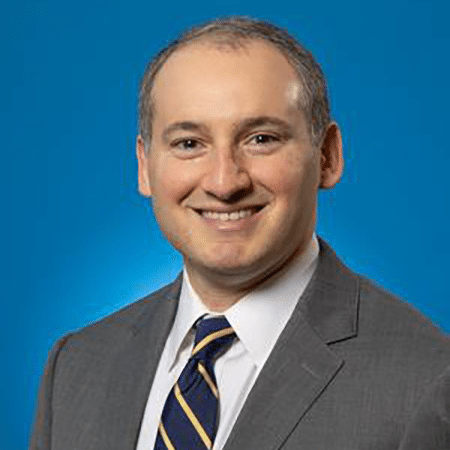
Jeremy Kress commented to Reuters, Politico, and MSN Money about the Federal Reserve’s new chair and the Treasury Secretary’s proposed changes to bank regulations.
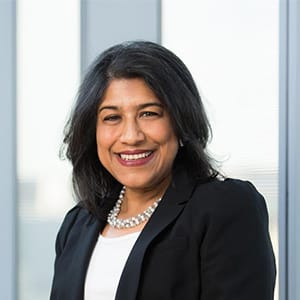
Aradhna Krishna authored the op-ed “In Defence of ‘Surveillance Pricing’: Why Personalized Prices Could Be an Unexpected Force for Equity” in The Conversation, which was carried by many outlets.
Scott Page‘s research on the importance of groups featuring diverse perspectives was included in articles by the Los Angeles Times and Forbes.

Scott Rick provided expert insight to the Wall Street Journal on the “0.01% Rule” for spending, discussed post-breakup finances with Vox, and commented on TikTok shopping addictions in the New York Post.
Awards
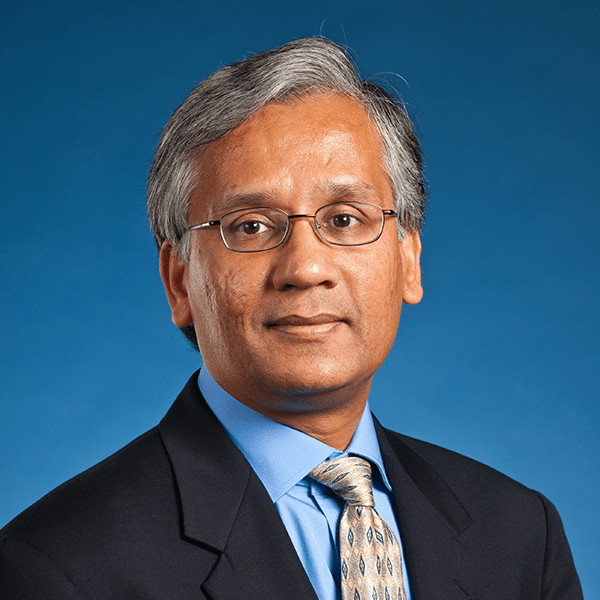
Ravi Anupindi received a $200K seed award from the University of Michigan Impact Institute for The Global Supply Chain Intelligence Institute, as well as a $50K award from The Gates Foundation. He was also appointed to the Board of Directors of the Africa Resource Center and elected to the Europe Committee of the Fair Labor Association.
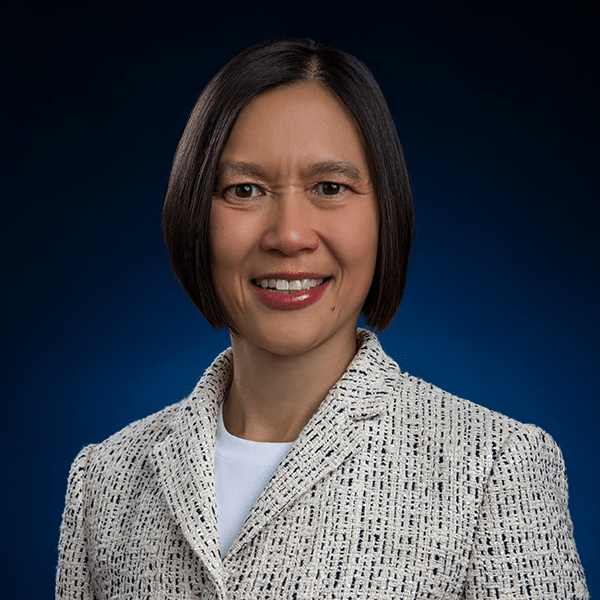
Anocha Aribarg was a recipient of the 2025 Marketing Science Service Award for Associate Editors.
Jessica Fong was chosen as a 2026 MSI Young Scholar and received a Management Science Distinguished Service Award.
Andy Hoffman was named the Poets&Quants MBA Professor of the Year, fall 2026.
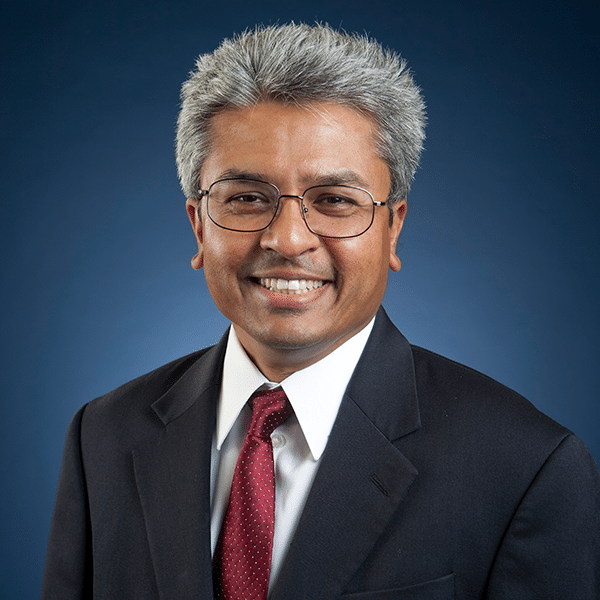
MS Krishnan was elected as an INFORMS Information Systems Society Distinguished Fellow.

Andrew Wu’s project was named 1st runner-up for the Gartner Eye on Innovation Award for Education 2025.
Scott Rick was nominated as a “50 Best Undergraduate Professor” by Poets&Quants.
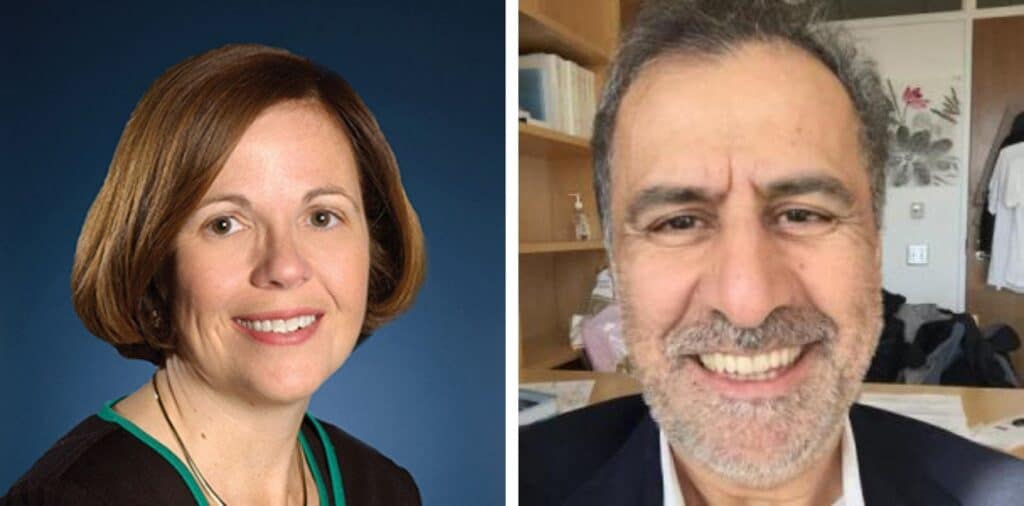
Cindy Schipani and Nejat Seyhun had their work selected by Georgetown Law School as one of the Top Ten Corporate and Securities articles of 2026.
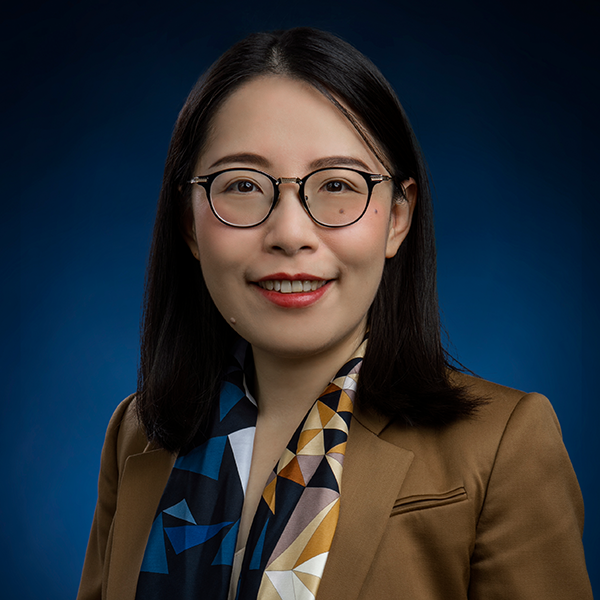
Siyu Yu was awarded the University of Michigan Wu Yi-fang Junior Faculty Award for Business, Humanities, Law, and Social Sciences.
Faculty can forward any new research, awards, and media mentions to Senior Research Contact and PR Specialist Judi Melena Smelser.